Chronic kidney disease (CKD) develops slowly, over months or years, as a cat's kidneys become less able to filter waste products from the blood. As kidney function declines, waste products can build up in the blood (a condition called azotemia). Azotemia can result from kidney damage, decreased blood flow to the kidneys, or the inability to urinate normally.
Kidney

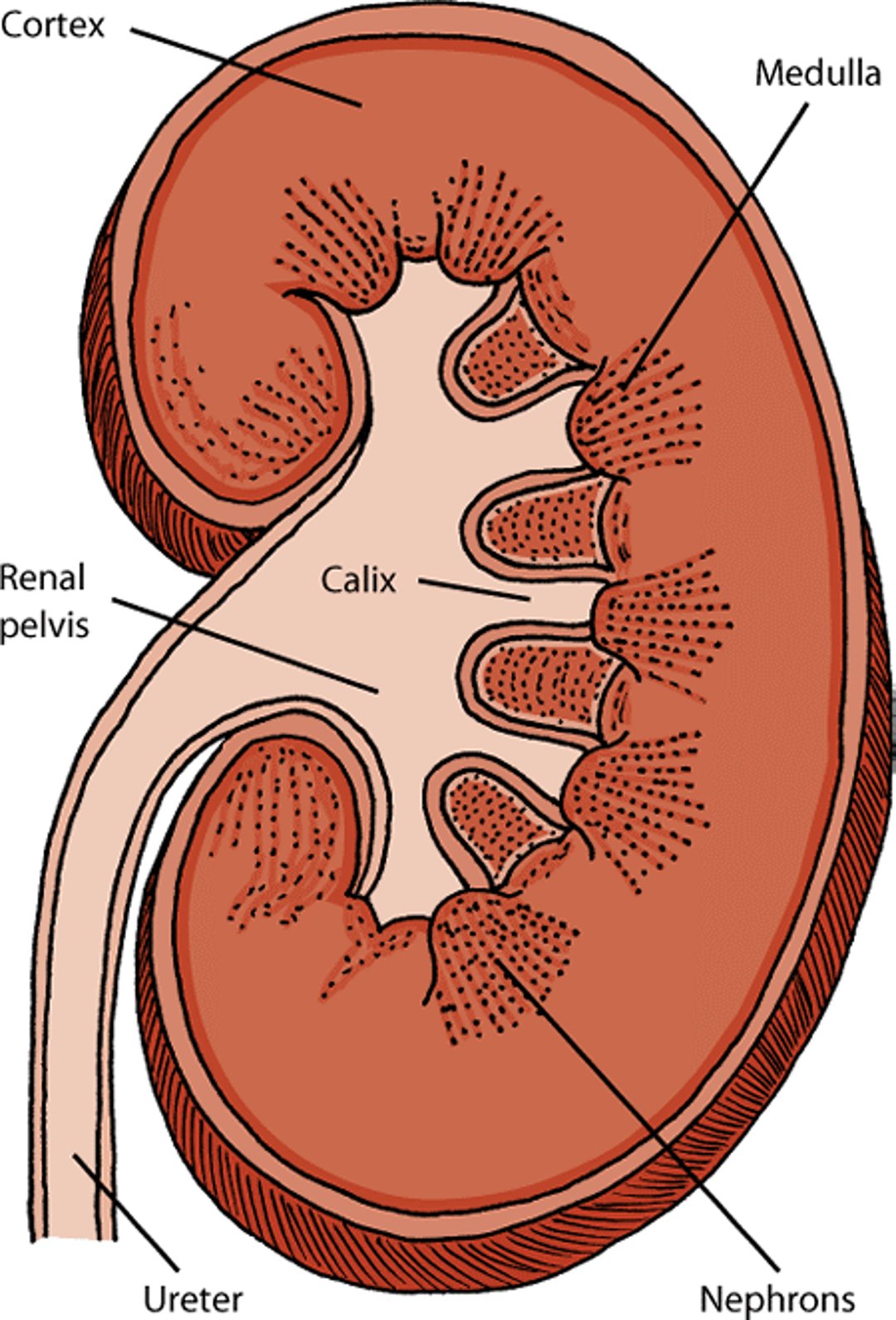
CKD is more common in older cats. Younger cats can also develop CKD as a result of inherited problems or past kidney injury.
Veterinarians commonly categorize CKD by stages using standardized guidelines, with stage 1 being the least severe and stage 4 being the most severe. Staging is based mainly on kidney-function measurements, as well as measurements of protein in the urine and blood pressure. Both high blood pressure and protein in the urine can worsen kidney damage and harm other organs.
Finding the cause of CKD, especially early on, can help guide treatment. Common causes include poor circulation, high blood pressure, kidney infection, urinary stones, tumors, and previous injury. Whatever the cause, the kidneys usually develop scarring over time and function less effectively.
Cats often show no signs they are ill until CKD is advanced. Typical early signs are excessive thirst and increased urination. Later signs can include poor appetite, weight loss, dehydration, mouth sores, weakness, vomiting, and diarrhea.
Diagnosis of CKD in cats usually requires a physical exam and blood pressure measurement, followed by various tests, such as blood and urine tests, x-rays, and ultrasound imaging (a test that uses high-frequency sound waves to make pictures of internal body parts). These tests also help track treatment.
There is no cure for CKD, but with proper care, even cats with very limited kidney function can sometimes live long lives. Treatment of CKD depends on the stage and can involve treating infections, controlling blood pressure, providing constant access to water, encouraging eating, giving medications, and feeding a kidney-support diet.
Cats with CKD need regular veterinary checkups. In later stages, they may need fluid therapy or feeding tubes.
Once supportive care no longer helps, few options remain. Dialysis machines, which do the job of the kidneys by filtering the blood, and kidney transplants are possible in rare cases but aren't practical for most cats.
For More Information
Also see professional content regarding chronic kidney disease in cats.