Etiologia da acidose tubular renal em cavalos
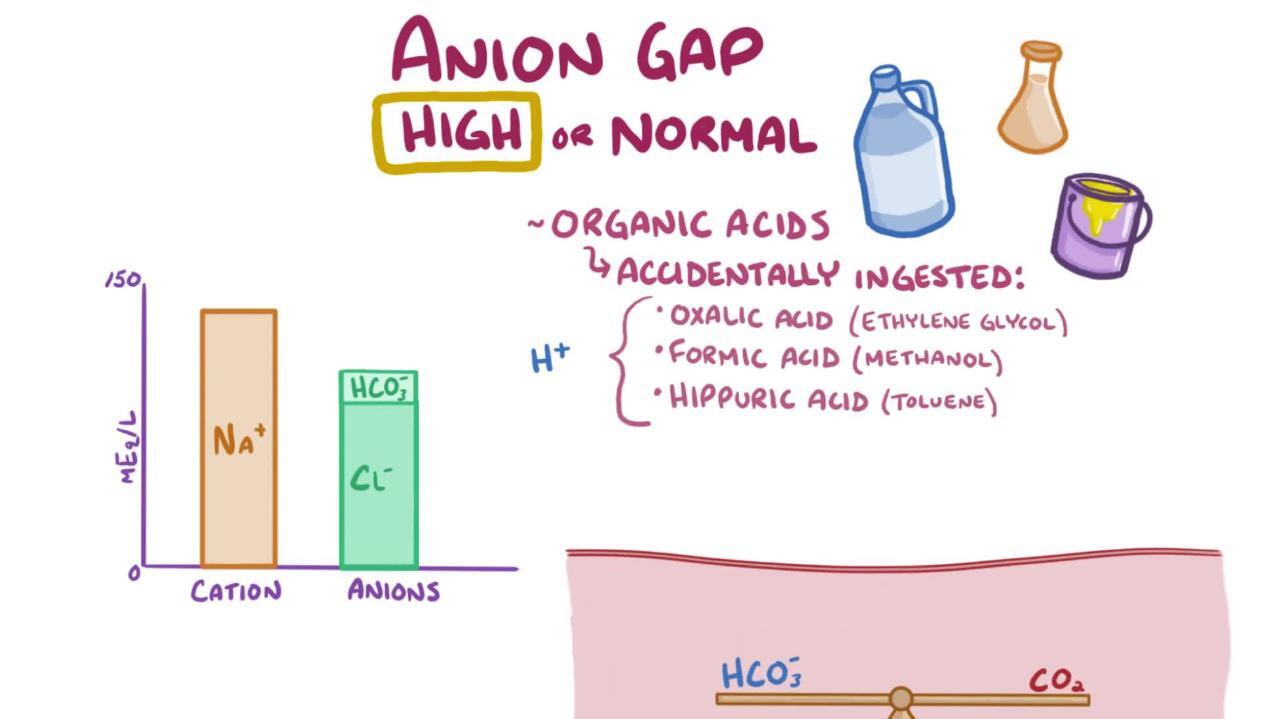
Renal tubular acidosis (RTA) is a sporadic disorder in horses. The RTA might be preceded by drug therapy for another condition or renal injury, or there might be no recognized predisposing cause. RTA can be transient or recurring. Genetic predisposition is unproved but possible in recurring cases, which have been noted in Friesian horses. The exact type of renal tubular acidosis, ie, type 1 or type 2, is hard to determine in most equine RTA cases because herbivores normally have alkaline urine, and anorexia by itself will cause a decrease in urine pH. See .

Achados clínicos e diagnóstico da acidose tubular renal em cavalos
Clinical signs of renal tubular acidosis include acute onset of depression, anorexia, muscle trembling, and tachycardia and/or arrhythmia. These clinical signs suggest many differential diagnoses, so serum chemistry testing and urinalysis are necessary to confirm the diagnosis. Severe metabolic acidosis, marked hyperchloremia, and often hypokalemia accompany equine RTA. The urine pH is usually neutral to alkaline. Blood parathyroid hormone and vitamin D have been increased in some horses with RTA; however, the importance and cause of these associations have not been determined.
Tratamento da acidose tubular renal em cavalos
Sodium bicarbonate
Administration of sodium bicarbonate (dosage based on calculation of bicarbonate deficit; IV and PO) is generally successful in correcting the metabolic acidosis from renal tubular acidosis (1). Potassium supplementation can be critical if the serum potassium concentration is < 2.5 mEq/L or if the horse is trembling or has cardiac arrhythmias. Treatment throughout a few days can result in complete resolution in some horses; however, others (likely because of genetics) require continued supplementation with sodium bicarbonate administered PO.
Pontos-chave
Renal tubular acidosis can be preceded by drug treatment or renal injury, but some cases have no known predisposing cause.
Clinical signs are nonspecific, so laboratory tests are needed for diagnosis.
Sodium bicarbonate is generally successful in correcting the metabolic acidosis; however, if hypokalemia is present, potassium supplementation might be needed as well.
Para obter mais informações
van Galen G, Divers TJ, Savage V, Schott HC II, Siwinska N. ECEIM consensus statement on equine kidney disease. J Vet Intern Med. 2024;38(4):2008-2025.
Also see pet owner content regarding renal tubular problems in horses.
Referências
Mullen KR. Metabolic disorders associated with renal disease in horses. Vet Clin North Am Equine Pract. 2022;38(1):109-122. doi:10.1016/j.cveq.2021.11.008